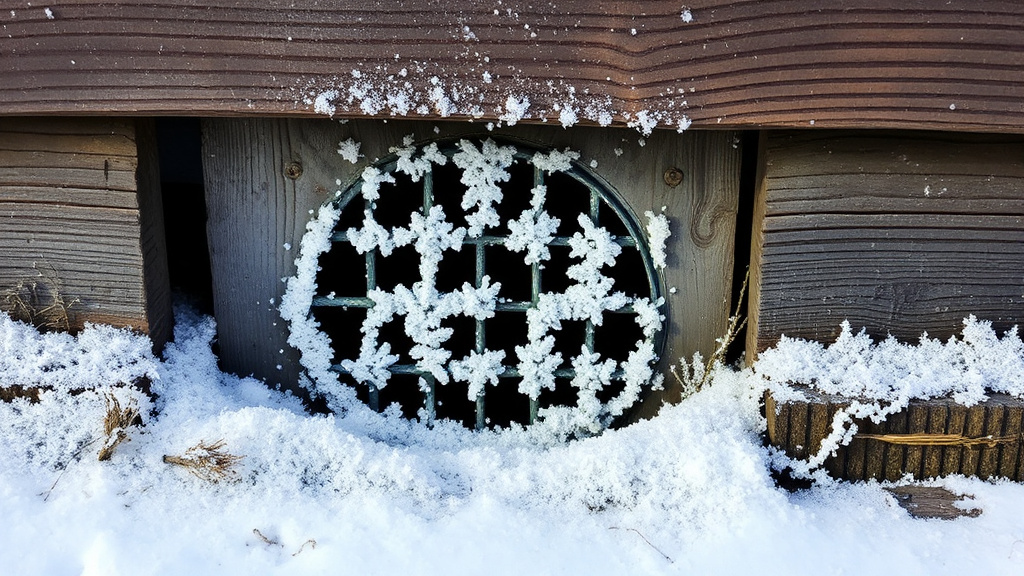
Hard freezes don't come every winter around Puget Sound, and that's part of the problem. Houses here aren't built with the assumption that pipes will see sustained cold, and many homeowners have never had to think about it. Then a few days of clear skies and an east wind arrive, and a pipe in the crawlspace splits overnight.
Where the cold actually reaches
Pipes rarely freeze in the middle of a warm house. They freeze where they run through spaces that are only loosely connected to the heat:
- Vented crawlspaces, especially near the vents on the windward side
- Exterior walls in older houses that were never insulated, or were insulated unevenly
- Unheated garages, particularly lines feeding a laundry or utility sink
- Hose bibs and the short run of pipe just inside the wall behind them
- Kitchen sinks on outside walls, where the cabinet keeps the room's heat away from the pipes
Wind matters as much as the temperature. A steady cold draft through a crawlspace vent can freeze an exposed pipe faster than still air at the same reading.
Before the forecast turns
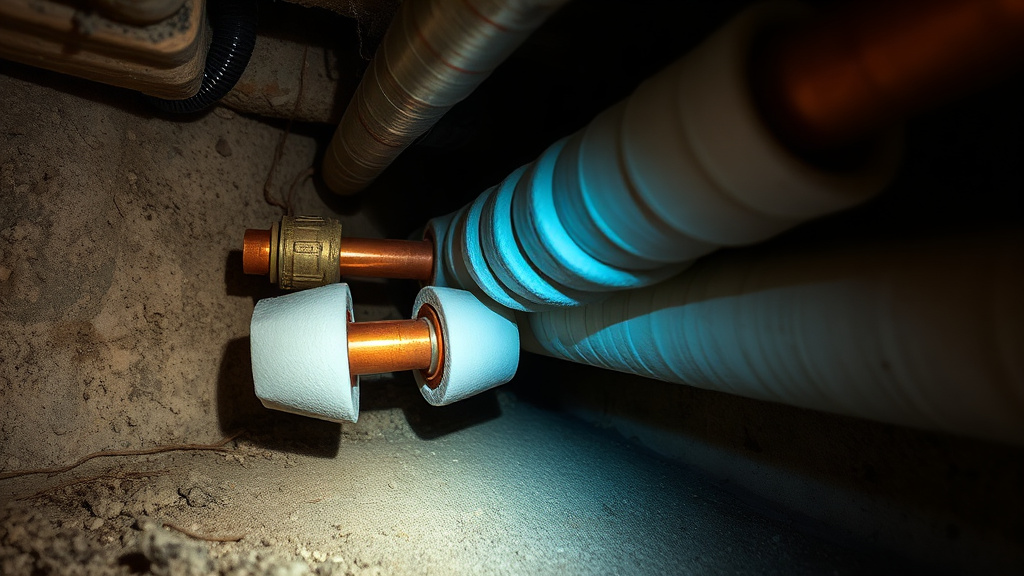
Most prevention is cheap and takes an afternoon. Slip foam sleeves over exposed supply lines in the crawlspace and garage. Disconnect garden hoses so water isn't trapped in the bib, and fit an insulated cover over each one. If the house has an interior shutoff for outdoor faucets, close it and drain the line. Know where your main water shutoff is and make sure it actually turns; old gate valves sometimes seize.
During the cold spell itself, open the cabinet doors under sinks on outside walls, keep the thermostat steady overnight rather than turning it down, and let a faucet on a vulnerable line drip slightly. Moving water is much harder to freeze.
If a pipe has already frozen
A faucet that gives a trickle, or nothing at all, during a freeze is the usual sign. Leave that faucet open so water and steam have somewhere to go as it thaws. Warm the pipe gently with a hair dryer, a heating pad or warm towels, working from the faucet back toward the frozen section. Don't use an open flame. If you can't reach the frozen part, or you can see a bulge or a crack, shut off the main before it thaws, because that's when a split pipe starts spraying.
This site has more on what to check once the cold has passed and on protecting a property before winter sets in.
The damage you don't see right away
Not every freeze ends in a dramatic burst. A fitting can crack slightly and weep for weeks inside a wall or under a floor, and you won't find out until there's a stain, a soft spot or a musty smell. After any hard freeze, it's worth watching the water meter with every fixture off to see whether it's still moving. A slow, hidden leak after a cold snap is one of the most common ways winter damage turns up late. Tracking Down the Leaks You Can't See in a Seattle House covers how those leaks are found without opening up walls on a guess.
A bit of preparation in the fall goes a long way. Winters here are usually mild, but the occasional sharp freeze is the one that catches houses unprepared.